
Snow and Ice Melting Timer Control


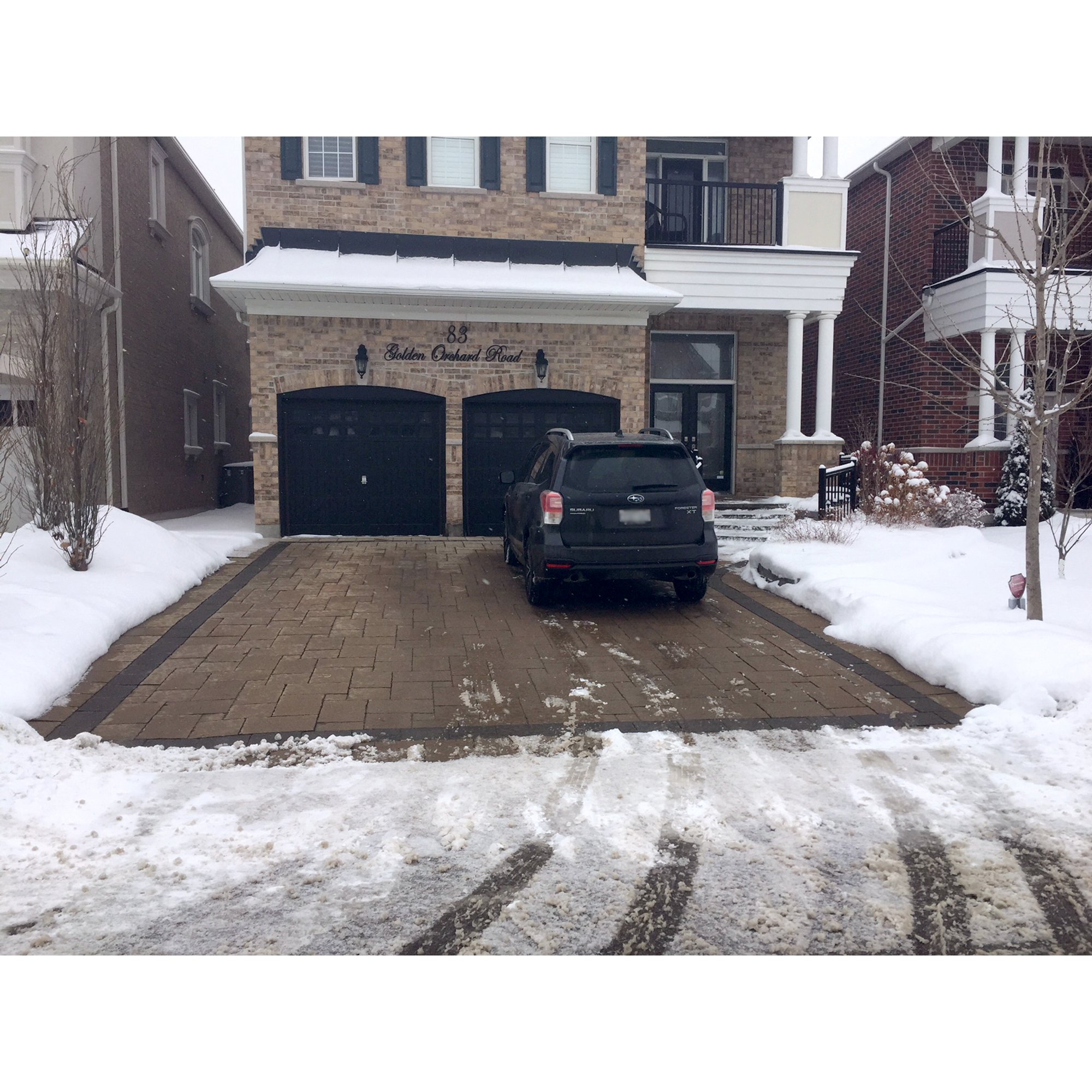


- Reliable manual control
- Timer adjustable up to 12 hours
- Useable with snow melting or roof and gutter deicing systems
- Extremely easy operation
- Terminal block and removable knockouts for easy installation
Timer Control Snow & Ice Melt Description
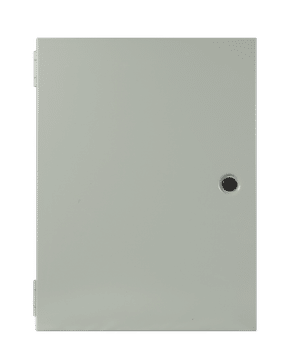
The WarmlyYours SCM-DUAL Snow and Ice Melting Timer Control is a simple, affordable option for snow melting, slab heating, and roof and gutter deicing systems. At120V operational voltage, this unit features a 12-hour, adjustable timer and a NEMA 1 enclosure with hinged cover.
The operation of this control couldn’t be easier as the user can simply turn the timer to their desired heating duration. It includes a 2-pole relay and terminal block for easy wiring. This control comes with integrated removable knockouts (4 on each side) so that you can run conduits through them without having to cut the metal box.
For projects with a smaller amperage draw (20 Amps for 120V or 10 Amps for 240 - 277V), the SCM-DUAL can be used without a relay panel. However, for projects with larger amperage draws, the controller must be used with a compatible relay panel. Using a relay panel, sold separately, allows control of larger jobs and can help switch voltages ranging from 120V to 277V.
Learn more about snow melting systems. Perfect for heated driveways, patios, walkways and paths, accessibility ramps, or even stairs.
Specifications
Electrical
| Applicable Voltages | 120 V, 240 V, 277 V |
| Connection Method | Hardwired |
| Ingress Protection (IPxx) Rating | IP20 |
| Knockouts Available | Yes |
| Maximum Current Description | 20 Amp, 120 VAC, 50/60 Hz; 10 Amp, 240 VAC, 50/60 Hz; 10 Amp, 277 VAC, 50/60 Hz |
| Maximum Load (Resistive Only) | 20 Amp, 120 VAC, 50/60 Hz; 10 Amp, 240 VAC, 50/60 Hz; 10 Amp, 277 VAC, 50/60 Hz |
Warranty / Certifications
| Approvals | cULus listed |
| Compliances | UL-50 Type 1, CSA Type 1, NEMA Type 1, IEC 60529, IP20 |
| Warranty | 2 years |
Installation
| Best Use | Typically Used For Projects That Require On-demand Operation |
Product Dimensions
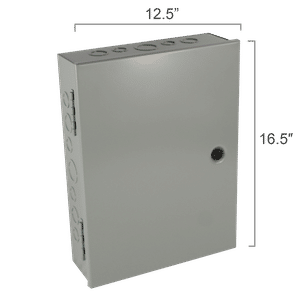
| Depth | 4″ |
| Height | 6″ |
| Weight | 5.8 lbs |
| Width | 6″ |
Appearance
| Finish | ANSI 61 gray powder coating |
Identifiers
| SKU | SCM-DUAL |
| UPC (GTIN-12) | 881308064440 |
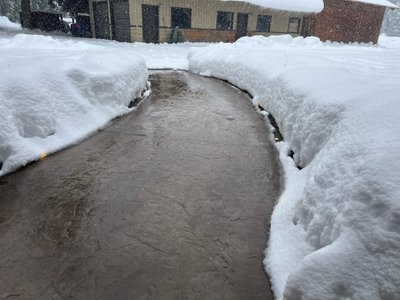
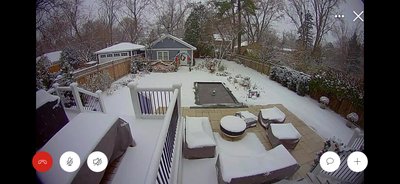
See This Product in Action

Accessories and Parts
Feel free to chat us if you have any questions about these items.
Documents
Installation
Project Planners
- PRO Resource: Technical Field Guide for Electric Snow Melting Controls, Aerial & In- Slab Sensors, Hold-On Timers, and Pre-Season Commissioning (English)
- WarmlyYours Snow Melting Field Pocket Guide - Quick Field Troubleshooting Checklist (English)
Technical Information
- Snow Melting SCM-120 Specifications (English)
- Snow Melting SCM-120 Specifications (French)
- Snow Melting SCM-120 Specifications (Spanish)
Wiring Diagrams
- SCM-DUAL Snow and Ice Melting Timer Control to Heating Element Wiring Diagram (English)
- SCM-DUAL Snow and Ice Melting Timer Control to Relay Panel Wiring Diagram (English)
Sell Sheets
- Snow Melt Controller Comparison Sheet USA (English)
- Snow and Ice Melting Timer Control Sell Sheet (English)
Catalogs
Frequently Asked Questions
Showing all 5 questions
Our systems can handle low temperatures, but many controls come equipped with a Low-Temperature Lockout Feature. This feature prevents the system from running in very low temperatures. At very low temperatures it can become difficult for the system to effectively melt the snow. It is however possible to turn off this feature should you need the system to keep running during such low temperatures.
All of our automatic controllers have a Hold-on time feature after the initial warming up of the snow melt system. This feature ensures that all the snow is melted from the surface, and also that the system continues to operate and evaporate the surface water without it refreezing.
The snow melting system is not operated by a thermostat, it is operated by either an automatic or manual controller. A snow melting controller does not maintain temperatures like an indoor thermostat does. An automatic snow melting controller only turns the snow melting system on when it detects precipitation and the temperature outdoors is below the set temp (typically 37.4°F / 3°C).
Once you've decided what type of heating system (manual vs. automatic), you'll need to choose a control, which may or may not utilize a sensor. You may need a relay panel(s) depending on the size of the system, and a snow melt plaque which is required by the National Electric Code. Junction box(es) may be optional depending on the distance of heating cable from the indoor power location.
