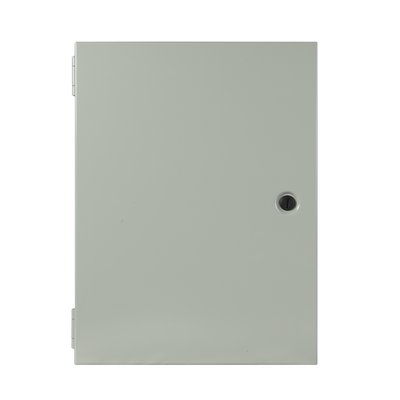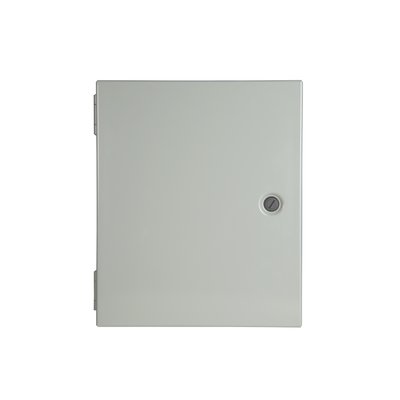
Medium Relay Panel, (4x) 2-Pole (RLY-8PL-CC)
Part Number: RLY-8PL-CC
This support page provides publications, manuals, specifications, videos, support articles, and common support questions
This support page provides publications, manuals, specifications, videos, support articles, and common support questions
Jump to
Support Questions
Showing 10 of 11 questions
Our systems can handle low temperatures, but many controls come equipped with a Low-Temperature Lockout Feature. This feature prevents the system from running in very low temperatures. At very low temperatures it can become difficult for the system to effectively melt the snow. It is however possible to turn off this feature should you need the system to keep running during such low temperatures.
GFEP is the National Electric Code (NEC) required protection for fixed outdoor deicing and snow-melting equipment, which may be accomplished by using circuit breakers equipped with ground-fault equipment protection (GFEP) of 30 mA. It is important to understand that this required equipment protection is NOT the same as a 5 mA GFCI used for personal protection.
All of our automatic controllers have a Hold-on time feature after the initial warming up of the snow melt system. This feature ensures that all the snow is melted from the surface, and also that the system continues to operate and evaporate the surface water without it refreezing.
A GFCI/GFEP (Ground Fault Circuit Interrupter / Ground Fault Equipment Protection) works differently than a circuit breaker by specifically detecting a small imbalance in electrical current between the hot and neutral wires, which indicates a potential ground fault (like a person touching a live wire), and instantly shutting off the power to prevent shock, while a circuit breaker only trips when there's a significant overload in current flow on the circuit, like a short circuit or too many appliances plugged in.
Once you've decided what type of heating system (manual vs. automatic), you'll need to choose a control, which may or may not utilize a sensor. You may need a relay panel(s) depending on the size of the system, and a snow melt plaque which is required by the National Electric Code. Junction box(es) may be optional depending on the distance of heating cable from the indoor power location.
Relays can fail due to excessive current or voltage. When a relay is exposed to too much current, the contacts can burn out. High voltage can also damage the coil. Other reasons include mechanical wear and tear, dust or dirt buildup, and moisture. These factors can cause the relay to malfunction or stop working entirely. Regular maintenance and using the relay within its specified limits can help prevent failures.
A 2 pole single-phase 240V circuit works by continuously monitoring the current flowing through both hot wires of the circuit. If it detects even a slight imbalance between the current on each hot wire (indicating a ground fault), it will quickly trip, cutting off power to the circuit. Essentially, it compares each leg of the 240V circuit and trips if they are not precisely equal.
This feature prevents the snow melting system from running, by default, in temperatures below 17°F (–8.33°C), or as set by the user. At temperatures this low, it becomes difficult for the system to effectively melt the snow. It is, however, possible to turn off this feature should the system be required to keep running during these low temperatures.
Documents
Project Planners
- PRO Resource: Technical Field Guide for Electric Snow Melting Controls, Aerial & In- Slab Sensors, Hold-On Timers, and Pre-Season Commissioning (English)
- WarmlyYours Snow Melting Field Pocket Guide - Quick Field Troubleshooting Checklist (English)
Wiring Diagrams
- Relay Panels Sizing Guide (English)
- Relay Panels Wiring Diagram (English)
- Relay Panels Wiring Diagram with 208V Snow Melt Products (English)
- Relay Panels Wiring Diagram with 277V Snow Melt Products (English)
- Wiring Diagram for 120V & 240V Floor Heating Products with Relay with Thermostat (English)
Technical Information
Legacy Documents
Specifications
Electrical
| Applicable Voltages | 120 V, 208 V, 240 V, 277 V |
| Connection Method | Hardwired |
| Maximum Current | 30 A |
| Numbers of Poles | 8 |
Product Dimensions
| Depth | 4″ |
| Height | 12½″ |
| Weight | 10 lbs |
| Width | 10½″ |
Identifiers
| SKU | RLY-8PL-CC |
| UPC (GTIN-12) | 881308065386 |
Videos
Articles
Similar Items
Do you need support or specifications for a specific model? Identify your model below.