
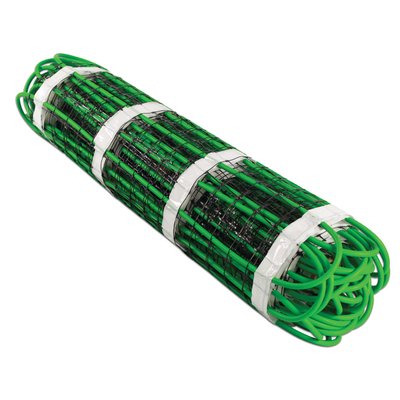
Snow Melt OmniMat 4" Spacing, 240V, 3′ x 30′, 90 sq. ft., 14.4A
Part Number: WHMA-240-0330-4
This support page provides publications, manuals, specifications, videos, support articles, and common support questions
This support page provides publications, manuals, specifications, videos, support articles, and common support questions
Jump to
Support Questions
Showing 10 of 38 questions
To ensure optimal performance, snow melting heating elements should be installed so that they are consistently 2"-3" from the finished surface. For installations using pavers, the maximum thickness for pavers installed over heating elements is 2.5".
GFEP is the National Electric Code (NEC) required protection for fixed outdoor deicing and snow-melting equipment, which may be accomplished by using circuit breakers equipped with ground-fault equipment protection (GFEP) of 30 mA. It is important to understand that this required equipment protection is NOT the same as a 5 mA GFCI used for personal protection.
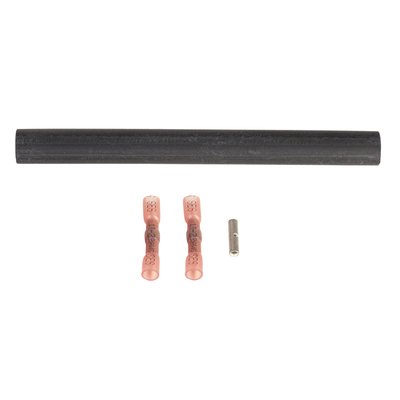
If a cable is damaged during installation, recheck the system for continuity and confirm the integrity of the insulation with a megohmmeter, or "megger" tester, referring to the installation and testing instructions. If the cable fails any of these tests, take the following actions: clear a 3 foot square working area around the damaged section of cable, and record the cable part number from the UL tag and the location where you purchased the product. Call WarmlyYours with the above information. WarmlyYours will provide further assistance and supply a splice kit suitable for repairing the particular cable.
The most common spacing for snow melting systems is 3“ from wire to wire. However, we can design snow melting systems based on your local climate and weather expectations that might have different cable spacings to ensure the most efficient system possible. We also offer snow melting mats with 3" and 4" spacing.
Yes, as long as the paver isn't resting on exposed cable. The cable has to be embedded according to the installation cross section drawing.
Cover to an uncompacted depth of 1.5” (38mm), leveled to grade. A compactor that's applicable to the thickness and application can be used to compact the sand. The paver installer(s) must take care not to walk on the hot-cold factory splice and to avoid damaging the Heating Cables with shovels or rakes. At no time shall the compactor directly contact the wire.
Yes, WarmlyYours Snow Melting Heating System can be installed with quartzite stones. Start with 4” to 8” (102mm to 203mm) of crushed rock aggregate base. Rebar or wire mesh should be staked on top of this base and then heating cables or mats will be tied to this mesh with plastic zip ties. Heating system needs to be covered with 1” to 1.5” (51mm to 76mm) of finished mortar or sand. Stone Pavers will be installed on top but must NOT be any thicker than 2.5” (63.5mm). See cross-section in the documents section and in the manual.
Always confirm the power requirements with the electrician. Large snow melting systems usually require a new electrical panel or electrical service. Contact WarmlyYours for a quotation, indicating the actual power capacity available, and to obtain recommendations for reducing the power consumption. For example, opting for tire track coverage rather than installing the snow melting system over the entire driveway can dramatically reduce power requirements.
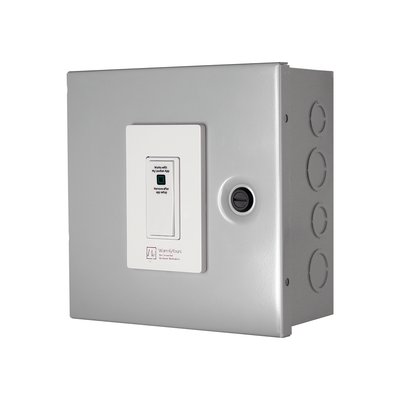
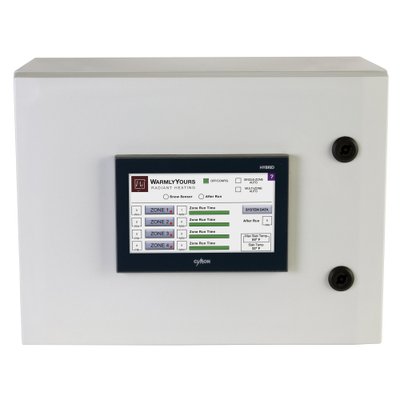
Once you've decided what type of heating system (manual vs. automatic), you'll need to choose a control, which may or may not utilize a sensor. You may need a relay panel(s) depending on the size of the system, and a snow melt plaque which is required by the National Electric Code. Junction box(es) may be optional depending on the distance of heating cable from the indoor power location.
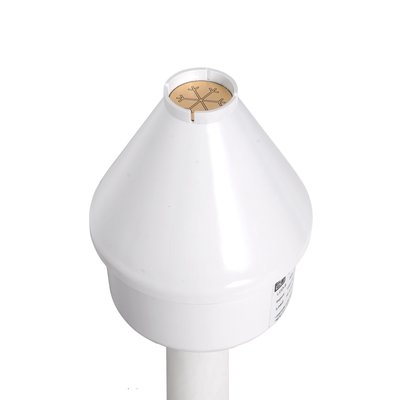
It depends on how the system is intended to operate. If the expectation is manual operation (ex. WiFi or Timer Control), then no sensors are required. If the expectation is automatic operation, then the system will require at least one snow sensor.
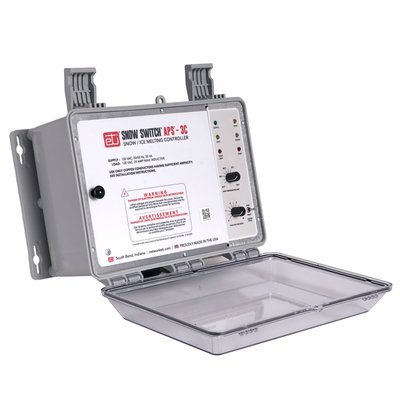
No, a sensor is not required with the snow melt system. However, certain automatic controllers require a temperature/moisture sensor to sense atmospheric conditions and may also require an in-slab, high temperature limit sensor to be installed (notably, asphalt installations).
Yes. The NEC requires 2“ minimum of non-combustible material below, and 1.5“ minimum of non-combustible material above the heating cable.
The drawback is whether or not the pervious concrete will fail under load, thereby damaging the heating cable and voiding warranty. The cable should be attached to rebar in this case to insure the strongest support.
Reflective insulation is not effective with conductive heating, which is how embedded floor heating and snow-melting systems transfer heat. To be effective, the reflective insulation surface needs to face an air space (air gap), which allows the reflected heat to be redirected.
An effective solution considers the insulating material's R-Value. This is the rating of a material's insulating properties. The "R" stands for "resistance" and refers to the material's resistance to heat flow, or temperature conduction.
A 2 pole single-phase 240V circuit works by continuously monitoring the current flowing through both hot wires of the circuit. If it detects even a slight imbalance between the current on each hot wire (indicating a ground fault), it will quickly trip, cutting off power to the circuit. Essentially, it compares each leg of the 240V circuit and trips if they are not precisely equal.
This feature prevents the snow melting system from running, by default, in temperatures below 17°F (–8.33°C), or as set by the user. At temperatures this low, it becomes difficult for the system to effectively melt the snow. It is, however, possible to turn off this feature should the system be required to keep running during these low temperatures.
Snow melting mats feature heating cables pre-spaced on a mesh backing for fast, consistent installation in large, straight areas like driveways. Loose cables offer maximum flexibility for custom shapes, stairs, or tight curves. Both provide the same heating output, but mats reduce labor time while cables handle complex layouts.
Shoveling snow is one of the most strenuous activities a person can perform. The combination of cold air, which constricts blood vessels and raises blood pressure, and the intense physical exertion of lifting heavy snow creates a "perfect storm" for cardiovascular strain. For many, especially seniors, a snow melting system is a vital preventative health investment that eliminates this dangerous physical burden.
Heated driveways are an eco-friendly alternative to traditional snow removal. They eliminate the need for harsh de-icing chemicals and salt, which can damage local ecosystems, contaminate groundwater, and harm pets. They also reduce the carbon footprint associated with gas-powered snow blowers and plows.
Heating cables cannot be installed directly under an existing driveway surface. They must be embedded within the concrete, asphalt, or sand bed for pavers to transfer heat effectively. You can, however, install a system during a resurfacing project or by replacing specific sections like tire tracks.
Multiply your total system wattage by your local electricity rate. For example, a 400 sq. ft. system (20 kW) running at $0.17/kWh costs $3.40 per hour. Use our Operating Cost Calculator to get a personalized estimate based on your zip code and driveway dimensions.
A heated driveway supports aging in place by removing the two biggest winter obstacles: the physical strain of snow removal and the risk of icy falls. By automatically maintaining clear, dry pavement, these systems ensure seniors can safely access their vehicles and homes, maintaining their independence and peace of mind without relying on manual labor or unpredictable plowing services.
While material costs are similar, electric snow melting systems are easier to install and require significantly less maintenance than hydronic (hot water) systems. Electric systems are highly energy-efficient (95%-98%) and heat up faster. Unlike hydronic systems, they don’t require slab insulation or carry risks of leaking pipes, waterway shrinkage, or flue gas venting issues.
A heated driveway typically adds $100–$300 to your seasonal electric bill in moderate climates. Costs average $0.12–$0.60 per hour of operation, or about $30 per storm for a standard 400 sq. ft. driveway. This is often less than the cost of a single professional plowing visit.
Professional installation for a heated driveway typically costs between $10 and $25 per square foot, including materials and labor. Total pricing varies based on the system type, the driveway material (asphalt, concrete, or pavers), and local electrical rates. Use our online calculator for a precise estimate.
The cost for the heating system typically ranges from $10 to $20 per square foot. Total project costs vary based on the driveway material (asphalt, concrete, or pavers) and labor rates. For a standard two-car driveway, the heating components usually cost between $3,000 and $5,000.
To calculate the system's approximate operating costs, multiply the total kilowatts of the system by your local electricity rate. Let's use the example of a 350 sq. ft. concrete patio (residential application), with 240 VAC, at the U.S. national average rate of $0.17 per kWh.
Total Watts: multiply area in sq. ft. × 50 Watts
350 × 50 = 17,500 Total Watts
Kilowatts: (the unit by which we purchase electricity) divide Total Watts by 1,000
17,500 Watts ÷ 1,000 = 17.5 kW
Cost per Hour: multiply kW by your local kWh rate
17.5 kW × $0.17/kWh = $2.98 per hour of operation
Hours of Operation: using a typical 6-hour snowfall as an example
$2.98 × 6 hours = $17.85 for that storm
All of this will vary based on your local electricity rate and "after-run time." After-run time is the period the system remains on after snow stops falling to fully dry the slab and prevent refreezing — typically 1–3 additional hours. Rates vary widely by state; check your utility bill for your actual kWh rate. Use our Operating Cost Calculator to get a personalized estimate based on your zip code.
For paver installations, snow melting mats are generally preferred because the pre-spaced mesh ensures even heating across large surfaces and simplifies the layout process. However, loose cables are better for heating the specific paths of stairs or custom-shaped landings leading to the driveway.
The best home features for cold climates include a simple gable roof to shed snow, covered entrances for protection, airtight triple-pane windows to prevent heat loss, and radiant heating systems. These features work together to maintain interior warmth, reduce energy bills by up to 25%, and ensure structural safety during harsh winters.
For driveways with a grade (slope) of 5% or more, WarmlyYours recommends full-coverage snow melting rather than tire-track heating. Here's why grade matters:
- 0–4% grade (nearly flat): Tire-track heating is a cost-effective option. The unheated areas between tracks are a minor inconvenience.
- 5–8% grade (moderate slope): Full coverage is strongly recommended. Unheated areas between tire tracks become primary slip hazards for pedestrians stepping out of vehicles.
- 8%+ grade (steep): Full coverage is essential. Gravity significantly increases the risk of vehicle sliding and pedestrian falls on any unheated surface.
On a slope, a vehicle that makes it up a heated tire track can still slide sideways if the surrounding surface is icy. Full coverage eliminates the entire hazard — not just the vehicle path. The additional material cost is approximately 35% more than tire-track heating, but it is the only option that truly eliminates the risk on a steep grade.
Electric snow melting systems require power to operate. If your area experiences frequent outages during storms, you can connect the system to a backup generator. However, because these systems have high wattage requirements, ensure your generator has sufficient capacity to handle the load.
Documents
Technical Support
- Floor Fault Location Thermal Camera Troubleshooting Kit Instruction (English)
- Snow Melting Mega Ohm Reading Instructions (English)
- Floor Fault Location Thermal Camera Troubleshooting Kit Instruction (Spanish)
- Floor Fault Location Thermal Camera Troubleshooting Kit Instruction (French)
- Instrucciones de lectura del Mega Ohm de fusión de la nieve (Spanish)
- Snow Melt and Slab Heat Endcap Repair Instructions (English)
- Snow Melt and Slab Heat Endcap Repair Instructions (French)
- Snow Melt and Slab Heat Repair Kit Instructions (English)
- Snow Melt and Slab Heat Repair Kit Instructions (French)
- Snow Melting Mega OHM Reading Instructions (English)
Installation
- Snow Melting Installation Manual (English)
- Manual de Instalación para Sistemas de Derretimiento de Nieve (Spanish)
- Retrofit Snow Melting System Application Guide (English)
- Snow Melting & Slab Heating Application Cross Sections (Spanish)
- Snow Melting Application Cross Sections (English)
- Snow Melting Installation Manual (French)
Project Planners
- Asphalt Snow Melt Planning Worksheet (English)
- Snow Melting Project Planning Guide Form (English)
- Snow Melting Request Quotation Form (English)
- WarmlyYours Snow Melting Field Pocket Guide - Quick Field Troubleshooting Checklist (English)
Warranties
Sell Sheets
Technical Specifications
Specifications
Electrical
| Amps | 14.35 A |
| Ohms | 16.72 Ω |
| Voltage | 240 V |
| Watts | 3445 W |
| Watts Per Sq. Ft. | 38.28 |
Warranty / Certifications
| Approvals | cCSAus Listed |
| Warranty | 10 years |
Performance
| BTU Per Hour | 11755 Btu |
| Heated Coverage | 97.5 ft² |
Product Dimensions
| Cold Lead Length | 20′ |
| Coverage | 90 ft² |
| Heating Element Spacing | 4″ |
| Heating Element Thickness | 5/16″ |
| Height | 0.3125″ |
| Length | 30′ |
| Size | 3′ x 30′ |
| Size and Power | 3x30 ft - 38 W/sq.ft. |
| Weight | 15.6 lbs |
| Width | 3′ |
Appearance
| Color | Green |
Identifiers
| Product Line Name | OmniMat |
| SKU | WHMA-240-0330-4 |
| UPC (GTIN-12) | 881308074357 |
Installation
| Surface Types | Asphalt, concrete or in mortar under pavers |
Logistics
| UNSPSC Code | 40101842 |
Videos
Articles
Related Items
Do you need support or specifications for a specific model? Identify your model below.



Similar Items
Do you need support or specifications for a specific model? Identify your model below.