
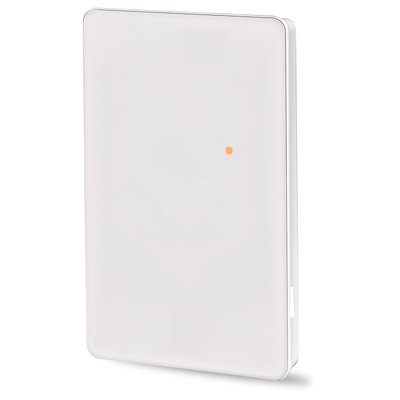
nJoin 2.0 Power Module with Class A GFCI (USG5-4000)
This support page provides publications, manuals, specifications, videos, support articles, and common support questions
Notices
Quebec Repairability Notice
Avis important pour les consommateurs du Québec:
WarmlyYours ne fournit ni services de réparation ni pièces de rechange pour ce produit. Si votre thermostat de chauffage de sol intérieur tombe en panne pendant la période de garantie, nous remplacerons l'unité complète conformément à notre politique de garantie. Notre équipe de soutien technique est disponible par téléphone 24h/24 et 7j/7 pour l'assistance à l'installation et au dépannage. Pour tous les détails, veuillez consulter notre Politique de Retour. Cet avis est fourni conformément à l'article 39 de la Loi sur la protection du consommateur du Québec (telle que modifiée en 2025).
Important Notice for Québec Consumers:
WarmlyYours does not provide repair services or replacement parts for this product. If your indoor floor heating thermostat fails within the warranty period, we will replace the entire unit according to our warranty policy. Our technical support team is available 24/7 by phone for installation and troubleshooting assistance. For full details, see our Return Policy. This notice is provided in accordance with Québec’s Consumer Protection Act, section 39 (as amended in 2025).
Support Questions
Showing all 3 questions
A GFCI/GFEP (Ground Fault Circuit Interrupter / Ground Fault Equipment Protection) works differently than a circuit breaker by specifically detecting a small imbalance in electrical current between the hot and neutral wires, which indicates a potential ground fault (like a person touching a live wire), and instantly shutting off the power to prevent shock, while a circuit breaker only trips when there's a significant overload in current flow on the circuit, like a short circuit or too many appliances plugged in.
Relays can fail due to excessive current or voltage. When a relay is exposed to too much current, the contacts can burn out. High voltage can also damage the coil. Other reasons include mechanical wear and tear, dust or dirt buildup, and moisture. These factors can cause the relay to malfunction or stop working entirely. Regular maintenance and using the relay within its specified limits can help prevent failures.
GFCI can fail for various reasons, such as wear and tear, moisture, corrosion, power surges, faulty wiring, or improper installation. Some of these causes can be prevented by regular inspection and maintenance, while others may require professional assistance. It is important to note that GFCI devices (ex. thermostat, breakers, outlets) should be tested regularly as these do wear out over time.
Documents
Wiring Diagrams
- nJoin (USG-4000), nJoin 2.0 (USG5-4000) Power Module Wiring Diagram (English)
- Wiring Diagram for 120V & 240V Floor Heating Products with Relay with Thermostat (English)
Technical Specifications
Technical Information
Operation Manuals
Specifications
Warranty / Certifications
| Approvals | cULus listed |
| Ingress Protection (IPxx) Rating | IP20 |
| UL Listing Number | E157297 |
| Warranty | Limited 3-year warranty and lifetime technical support |
Appearance
| Color | White Acrylic |
Electrical
| Connection | 4 wires, double pole, screw terminals |
| Connection Method | Hardwired |
| Ground Fault Protection | GFCI, Class A, 5 mA |
| Maximum Current | 15 A |
| Maximum Power | 1800 W @ 120 V, 3120 W @ 208 V, 3600 W @ 240 V |
| Supply | 120 VAC, 208 VAC, 240 VAC (50/60Hz) |
Product Dimensions
| Depth | 1.73″ |
| Installed Depth | 0.46″ |
| Length | 4.98″ |
| Weight | 0.6 lbs |
| Width | 3.09″ |
Identifiers
| SKU | USG5-4000 |
| UPC (GTIN-12) | 881308080433 |
Videos
Articles
- Companies that allow EFH under LVT
- Different types of wood and Electric Floor Heating
- EMF, Floor Heat and Pacemakers
- ETI Floor Heating Control FWT-3 Thermostat
- FLOR Carpet Squares and EFH
- Heating LVT, Vinyl, and VCT
- How to Extend Leads For Floor Heating Products
- How To Prevent Wood Floor Gaps
- Only Some Floor-Heating Zones Heat After Replacing a Thermostat with nJoin Power Modules