

Electric Radiant Floor Heating Systems
Comfort, Efficiency, and Reliability For Every Room Under Any Flooring Type
Electric floor heating is an energy-efficient way to add lasting warmth to every room—from bathrooms and kitchens to bedrooms and basements. Our radiant floor heating systems install easily under tile, vinyl, laminate, and hardwood, with free design support on every project.

Why Radiant Floor Heating
Comfort
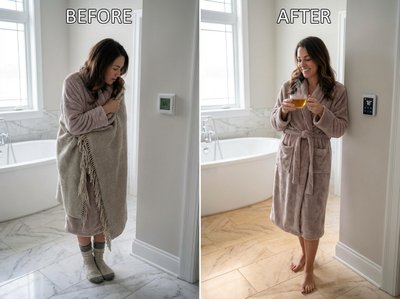
Take the chill off tile and stone—step out of bed or the shower onto warm floors with gentle, even heat you can feel every day.
Clean
Electric radiant floor heating is a very clean heat since it doesn't rely on forced air, which can circulate dust and other allergens.
Safety
All of our electric floor heating products have been rigorously tested and are UL/cUL listed.
Low Maintenance
No noisy vents or filters. Floor heating requires virtually no regular maintenance compared to forced air.
Affordable
Low upfront cost when installed during flooring projects. Systems start around $5/sq ft.
Get an instant quote.
Saves Energy
Radiates heat efficiently for cozy rooms at lower air temps—heat the people and objects, not just the air.
Calculate operating costs.
Flexible
Use as primary heat or supplemental warmth for tricky rooms like basements and rooms over garages.
Radiant Floor Heating Cost
Understanding the total cost of electric floor heating—from materials and installation to daily operation—helps you plan your project with confidence.
Material Cost
Floor heating systems typically cost $5–$15 per sq ft depending on the product type. Enter your room details below for an instant personalized quote.
Get an Instant Quote
Answer a few quick questions and we'll match you with the best floor heating system.
What's Included in Your Quote?
Heating Element
Mat or cable system sized for your room—the core of your heated floor.
Thermostat
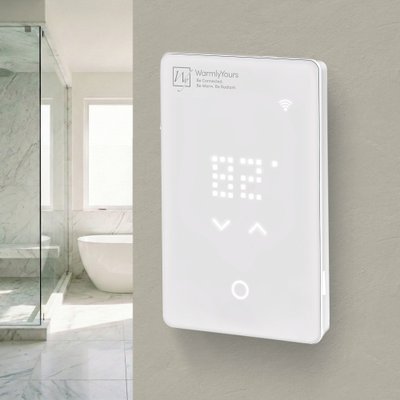
WiFi-enabled or manual controls ($150–$350) with floor sensor included.
Underlayment
Insulating layer (CeraZorb or cork) added when beneficial for your subfloor type.
Accessories
Cable straps, repair kit, circuit check—everything for a complete install.
Installation Cost
Installation costs vary based on whether you DIY or hire a professional. Most projects are completed during a flooring renovation—when the subfloor is already exposed.
DIY Installation
$0
your labor
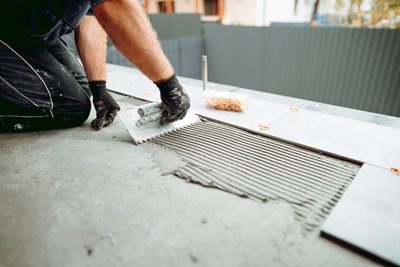
- Roll out mat and secure with tape
- Embed in thinset or self-leveling
- Test cable before and after
- 24/7 phone support available
Skill Level: DIY-friendly for most homeowners with basic tile or flooring experience
Tile Installer / Contractor
$3–$8
/sq ft
- Layout and secure heating system
- Embed in thinset or leveler
- Test cable before/after tiling
- Often included in tile install quote
Tip: Ask your tile contractor to include floor heating installation in their bid
Electrician
$150–$400
per project
- Connect thermostat to power
- Install dedicated circuit if needed
- Final wiring and code compliance
- Required by most local codes
Code Requirement: Most jurisdictions require a licensed electrician for final connection
Sample Project: 50 sq ft Bathroom
Materials: $400–$600
(heating mat + thermostat)
(heating mat + thermostat)
Installation: $0–$400
(DIY or included in tile)
(DIY or included in tile)
Electrician: $150–$300
(thermostat connection)
(thermostat connection)
Total: $550–$1,300
for complete heated bathroom floor
Operating Cost
Electric floor heating is highly efficient—typically just $0.07–$0.36 per hour. A standard bathroom (around 40 sq. ft.) running a few hours daily costs about $17–$29 per month.
Operating Cost Calculator for Floor Heating
Estimate your daily and monthly energy costs based on room size and local rates.
ft²
¢/kWh
Estimated Cost
$0.04
per hour
$0.15
per day
$4.50
per month

"Most homeowners are surprised how affordable radiant floor heating is to operate—often just pennies a day for a bathroom. It's the kind of everyday luxury that pays for itself in comfort!"
— Rae RadiantWhat Affects Operating Cost?
Floor Material
Tile and stone have more thermal mass and retain heat longer.
Electricity Rate
U.S. avg is $0.1626/kWh—your local rate may vary.
Shop by Product Type
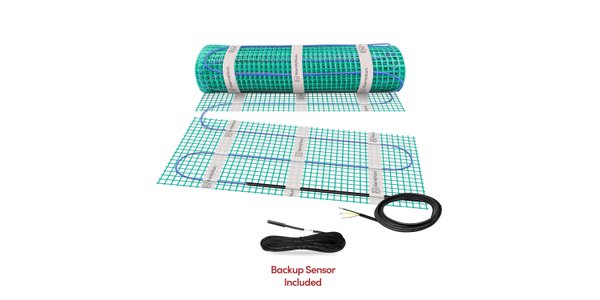
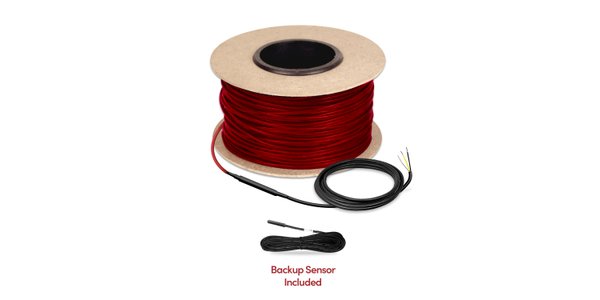
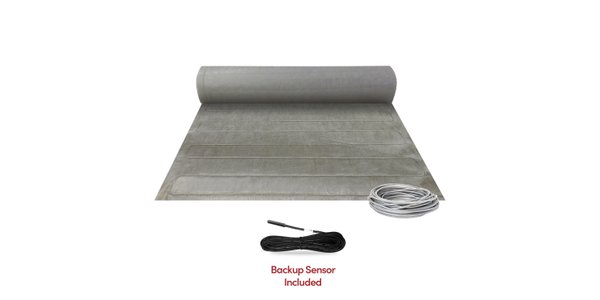
Whether you're a DIYer looking for an easy installation or a professional who needs maximum flexibility, we have the right floor heating solution for your project.

Which Heating System Works With Your Floor?
Not all heating systems work with every floor type. Use this chart to find the right solution for your flooring and installation method.
| Floor Type | Installation |
TempZone™ Mats (Flex Roll & Easy Mats) 15W/sq ft |
Environ™ Mats 12W/sq ft |
TempZone™ Cable with Grip Strips |
TempZone™ Cable + Prodeso Membrane |
Slab Heat Mat 20W/sq ft |
Slab Heat Cable 15-20W/sq ft |
|---|---|---|---|---|---|---|---|
| Tile, Marble, Stone | Thinset | *1 | *1 | ||||
| Hardwood | Nailed | *6 | *2 | *1 | *1 | ||
| Glued | *7 | *2 | *1 | *1 | |||
| Engineered Wood | Nailed | *6 | *2 | *1 | *1 | ||
| Glued | *7 | *2 | *1 | *1 | |||
| Floating | *5 | *4 | *5 | *2 | *1 | *1 | |
| Bamboo | Nailed | *6 | *2 | *1 | *1 | ||
| Glued | *7 | *2 | *1 | *1 | |||
| Floating | *5 | *4 | *5 | *2 | *1 | *1 | |
| Laminate | Floating | *5 | *4 | *5 | *2 | *1 | *1 |
| Nailed | *6 | *2 | *1 | *1 | |||
| LVT / Vinyl | Glued | *7 | *2 | *1 | *1 | ||
| Floating | *5 | *4 | *5 | *2 | *1 | *1 | |
| Carpet | Stretch-In | *8 | *8 | *3 | *2 | *1 | *1 |
| Glued | *7 | *8 | *8 | *2 | *1 | *1 | |
| Cork | Floating | *5 | *4 | *5 | *2 | *1 | *1 |
| Concrete Slab | In-slab |
*1 Slab Heat systems are embedded in the concrete slab; any finished flooring can be installed over the cured slab.
*2 Prodeso membrane is designed for tile/stone with thinset. Wood/vinyl/carpet floors use Grip Strips instead.
*3 Floating floors and stretch-in carpet require Environ™ mats, or use Slab Heat Cable for in-slab heating.
*4 Consult your flooring manufacturer to ensure the flooring can be installed directly over a heating system. If embedding is required, you must use a TempZone or Slab Heat system.
*5 Floating floor can be installed over an embedded TempZone system in 3/8–½" self-leveling cement (SLC), fully cured.
*6 Nailed floors: Install wood sleepers across subfloor, lay mat between sleepers, cover with self-leveling cement, then nail flooring into sleepers only.
*7 Glued floors: Embed mat in 3/8–½" self-leveling cement, allow to cure, then install flooring with adhesive.
*8 Carpet floor heating is available in the U.S. only.
Not sure which system you need?
Call us at (800) 875-5285,
request a free quote, or
get an instant quote with our Instant Quote Builder tool.
Find Floor Plans by Room
Explore floor heating solutions two ways: Browse by Room Type to see all products suited for that space with tips, inspiration, and showcases; or Select a Specific Floor Plan to compare three heating options with pricing, operating costs, and installation plans tailored to that exact layout.
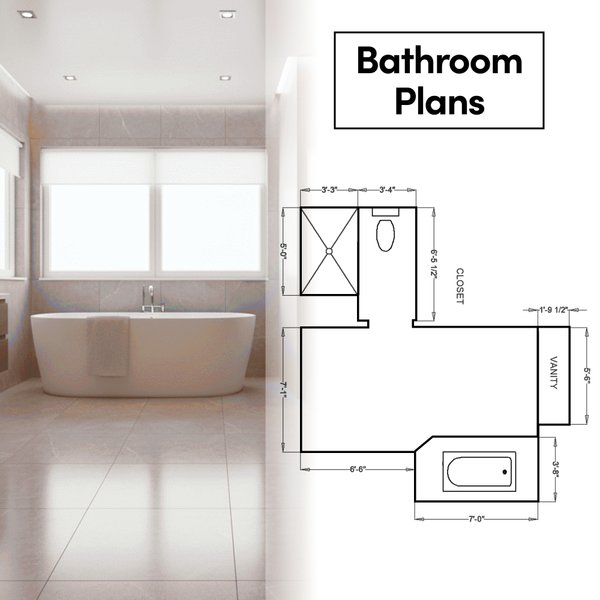
Bathroom
Ideal for tile installations and quick warm-up—our most popular room.
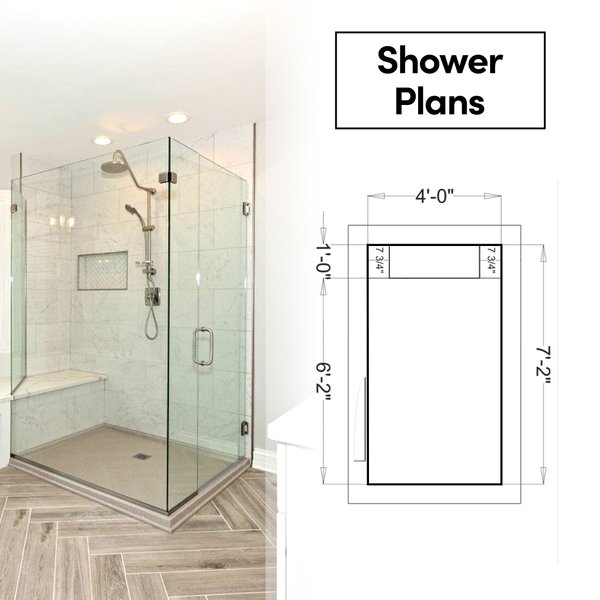
Shower
Warm shower floors and benches for spa-like comfort.
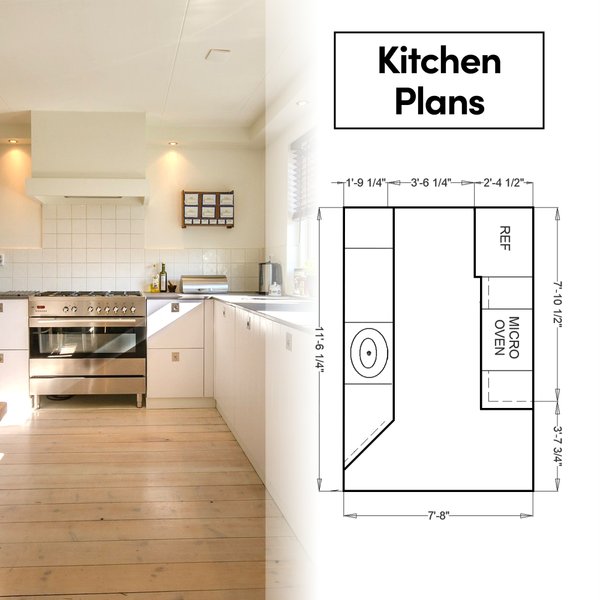
Kitchen
Great under tile or LVP—keep high‑traffic areas comfortably warm.
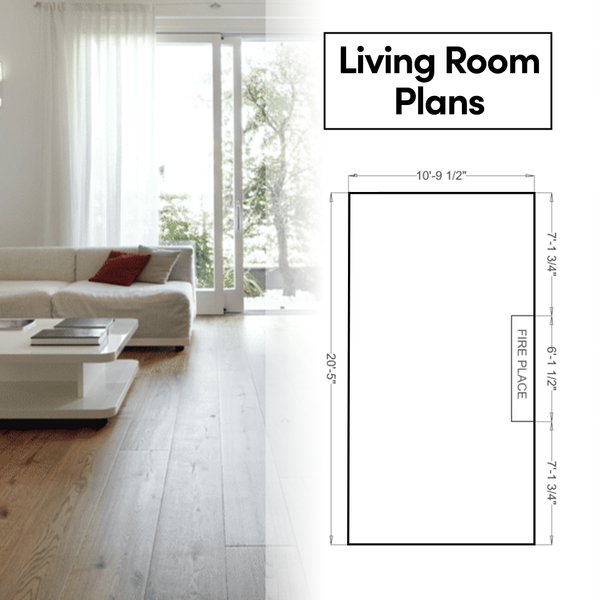
Living Room
Even heat across large spaces without noisy vents or dust.
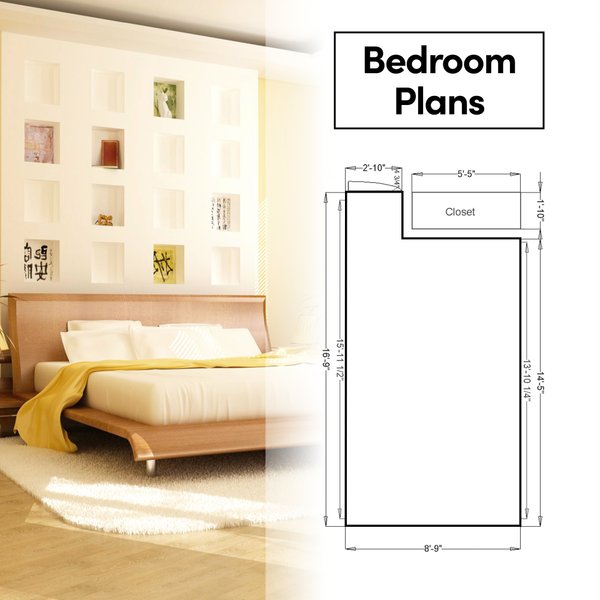
Bedroom
Cozy mornings and night-time comfort under carpet, LVP, or wood.
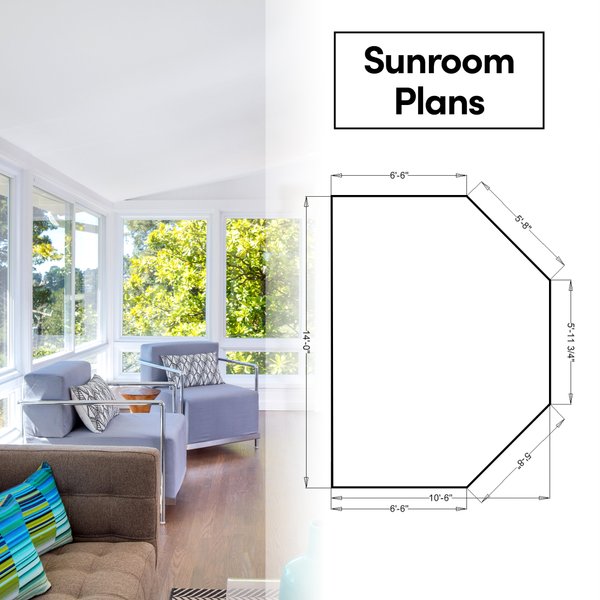
Sunroom
Fight cold slab floors and extend shoulder seasons with gentle radiant heat.
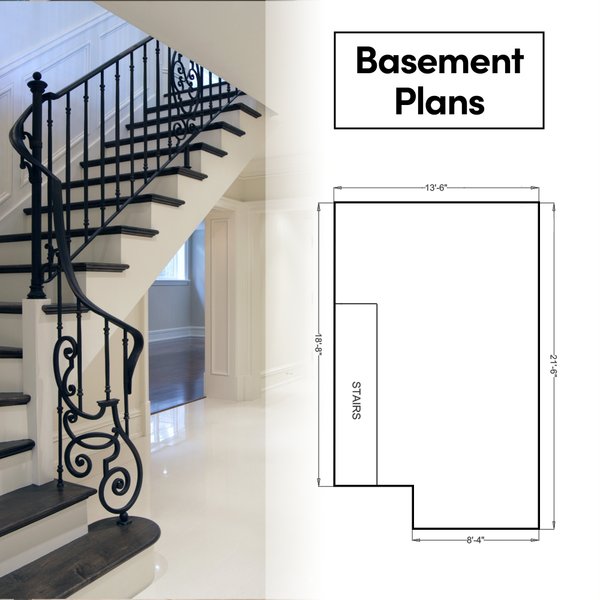
Basement
Warm concrete slabs from the ground up for lasting comfort.
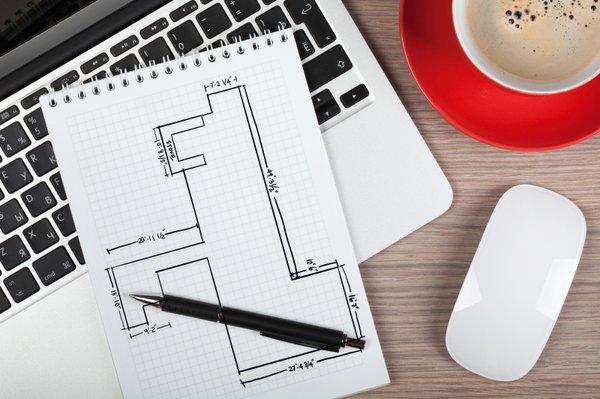
Get Your Own Floorplan
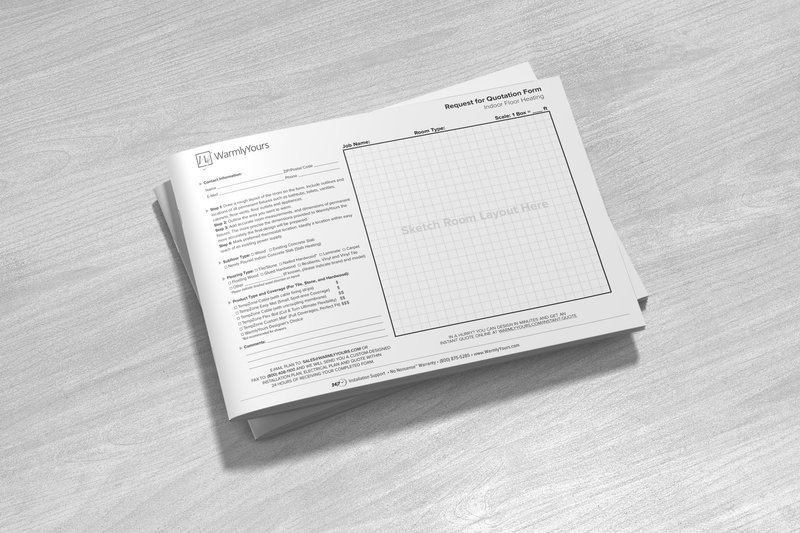
Send us your sketch and receive a free SmartPlan with a custom installation layout and itemized quote.
Featured Floor Heating Projects
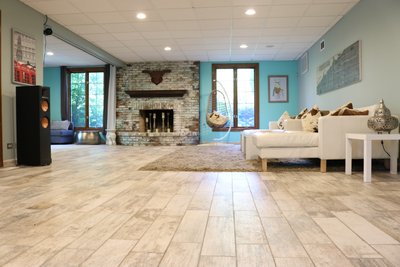
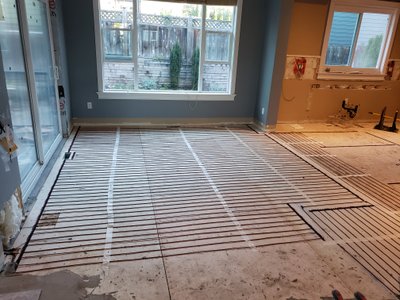
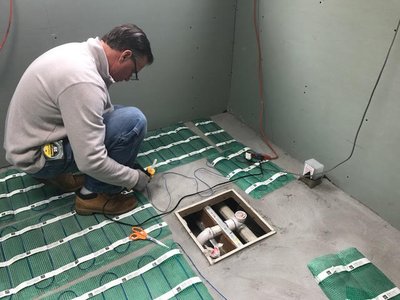
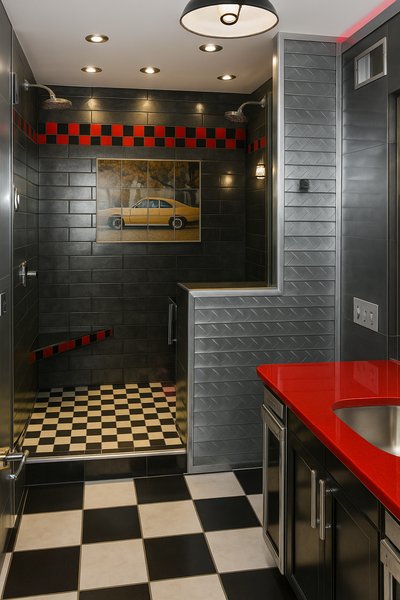
Check out these customer-submitted projects to see real world examples of how a floor heating system is installed in a variety of different rooms.
-
Basement Kildeer, IL$1.82/hr
-
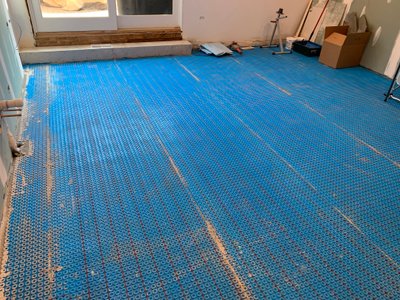 Kitchen Chicago, IL$0.19/hr
 -
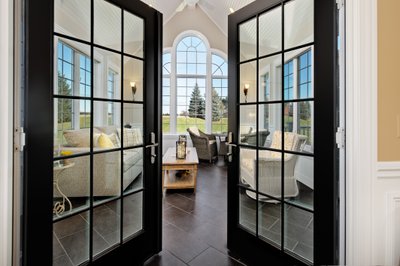 Four Season Room Crystal Lake, IL$0.53/hr
 -
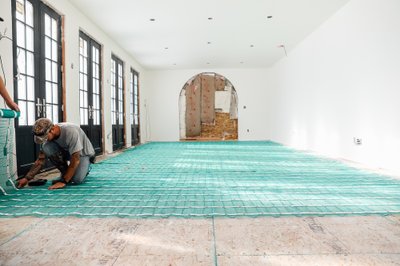 Dining Room Idaho Falls, ID$0.70/hr
 -
Dining Room Maple Ridge, BC$0.58/hr
-
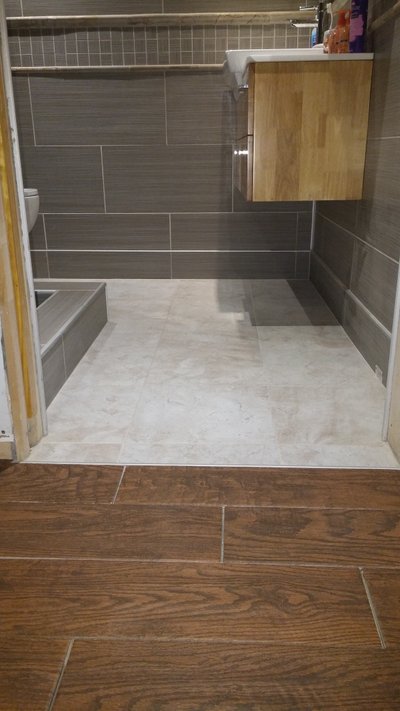 Basement Lower Sackville, NS$0.64/hr
 -
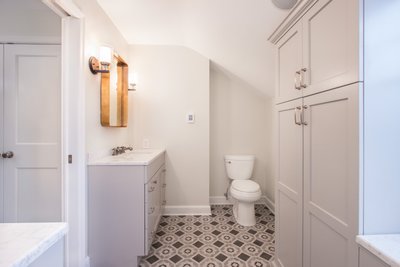 Bathroom Abington, PA$0.11/hr
 -
Master Bathroom Northport, NY$0.15/hr
-
Bathroom Mentor, OH$0.14/hr
Floor Heating Videos
Electric Floor Heating Customer Reviews
Rated 4.9/5 based on 1,888 reviews
We take pride in providing both exceptional service and great products. But don't just take our word for it, check out what some of our customers have had to say.

Documents & Articles
-
PDF
-
PDF
-
 PDF
PDF -
 PDF
PDF -
5 min
Julia Mar 20, 2026
-
5 min
 Stephanie
Feb 10, 2017
Stephanie
Feb 10, 2017
-
10 min
-
12 min
-
4 min
-
11 min
Stephanie
Mar 09, 2026
-
 7 min
7 min WarmlyYours
Feb 20, 2015
WarmlyYours
Feb 20, 2015
-
 6 min
WarmlyYours
Feb 10, 2016
6 min
WarmlyYours
Feb 10, 2016
-
 7 min
7 min Heather
Dec 15, 2014
Heather
Dec 15, 2014
-
8 min
WarmlyYours
Mar 17, 2026
-
5 min
Stephanie
Mar 05, 2026
-
4 min
WarmlyYours
Mar 09, 2026




Electric Floor Heating Frequently Asked Questions
Showing 10 of 26 questions
You can use the Instant Quote Tool, which gives you many options for your floor heating coverage. Use this interactive tool to design your room online and receive an instant quotation with product recommendations, rough-in and installation kits, cost of your control, etc. Planning your floor heating project is made easy when using our Instant Quote Tool.
Send us your floor plan or fax it to (800) 408-1100 and we will send you a quote, product recommendation and a free custom installation plan for your project.
Our electric radiant floor heating systems have withstood rigorous safety testing and earned the UL listing. They produce much less EMF than common household appliances like your TV or vacuum cleaner. The EPRI (Electric Power Research Institute) tests all electrical devices and publishes the data. Many common household appliances are tested at a distance of 6 inches. The test results indicate that on average, the EMF emitted for the following appliances, measured in Milligauss (mG) units, is:
Vacuum Cleaner: 300 mG
Microwave: 200 mG
Portable Heater: 100 mG
Dishwasher: 20 mG
Washing Machine: 20 mG
WarmlyYours TempZone™ (Twin): 1.8 mG
WarmlyYours’ TempZone™ product is most commonly installed under tile, stone, and marble flooring, but can also be installed under many other popular floor covering options such as hardwood, vinyl and linoleum. We also have our Environ system, which is an electric floor heating product as well and is specially designed for installation under carpet (in the U.S. only), laminate and floating wood. WarmlyYours can accommodate any flooring type with either of the electric radiant floor heating products that we offer. If your flooring type isn't listed here, just give us a call at (800) 875-5285 and we will be happy to discuss it with you.
The answer to this question will depend on a whole host of variables related to electric floor heating, including, but not limited to, the run time (for supplemental heating, we usually recommend between 4-8 hours per day), the electric radiant floor heating system you're using, the total square footage, and your local electrical cost. Typically, the cost is just a few cents a day.
To figure out how much electric floor heating might cost to run for you, make sure to use our interactive Operating Cost Calculator.
Yes, in most cases, an electric floor heating system can be effective as a primary heat source. However, our TempZone™ and Environ™ systems are most commonly used as a secondary heat source, providing floor-to-ceiling radiant heat to any room in your home where you desire more warmth and comfort.
If you are considering electric floor heating for an addition to your home, such as a sunroom where you have no other source of heat, WarmlyYours offers an innovative online tool which calculates approximate heat loss. This tool can help you to determine if a WarmlyYours’ electric radiant floor heating system will provide your desired comfort temperature throughout the year. You can access the Heat Loss Calculator or you can call us at (800) 875-5285 and a Customer Service Representative will make the calculation for you.
Yes. While there are some floor heating systems that can be installed beneath floor joists, most electric radiant floor heating systems will need to be installed beneath the floor itself. This is why the best time to install electric floor heating is during a remodel or as a part of a new construction, when a floor is being installed anyways.
If you're interested in alternative radiant heating methods, check out our Radiant Panels, which are wall-mounted and use infrared technology to provide supplemental heating.
Electric floor heating works by having an electric heating cable installed underneath the flooring (embedded or floating, depending on the system and floor type), which is then wired to a special thermostat (either one specifically designed for electric radiant floor heating, like a WarmlyYours’ nSpiration Series control, or a third-party thermostat). When turned on, the heating cable emits heat upward through the flooring which is then radiated throughout the room, heating all solid surfaces.
Typically, electric floor heating is used as a supplemental heat source but in some cases, it can be used as a primary heat source. Electric floor heating is more energy efficient, less prone to spreading dust and allergens, and easier to control from room to room. Air-based heating systems can be used for both heating and cooling and can be a good way to control air quality in the home with regular maintenance.
For a more in-depth answer to this question, check out Your ‘Cheat Sheet’ for Radiant Heat vs. Forced Air.
The temperature of your floor can range anywhere between 75°F to 95°F. The floor's actual temperature will depend on a number of factors including the amount of heat loss that the room experiences as well as the room’s configuration. For instance, the warmth contained in a two story entry way would likely be less than that of a smaller, more enclosed area such as a bathroom. In a bathroom that is located on the second floor of your home or over another floor in your home that is typically heated, the temperature of your heated floor should easily reach a comfortable temperature of 85 degrees Fahrenheit, if the electric floor heating system is installed correctly. For the heat loss calculation for your specific room, you can access the Heat Loss Calculator or you can call us at (800) 875-5285 and a Customer Service Representative will make the calculation for you.
TempZone™ is an electric floor heating system that operates like an electric blanket for your floors. TempZone™ is covered in thin-set or Self-Leveling Underlayment, and is installed over the top of your subfloor and beneath your flooring. The system provides a warm, even temperature across your floor, generating floor-to-ceiling radiant warmth to transform these naturally cold surfaces into warm floors. Ideal for kitchens, bathrooms or any room in your home where you would enjoy radiant warmth and comfort, the TempZone™ floor heating system is easy to install, operate and maintain.
Yes, radiant floor heating can be used as a primary heat source in well-insulated homes, particularly in moderate climates. However, most North American homes use it as supplemental heating to enhance comfort and reduce reliance on forced-air systems.For primary heating, you need:
- Proper insulation (walls, windows, attic)
- Adequate watt density (typically 15 watts/sq.ft. or higher)
- Coverage across 80%+ of floor area
- Climate-appropriate system design
Not sure if your home qualifies? Use our free Heat Loss Calculator to determine if radiant floor heating can serve as your primary heat source. This tool calculates your room's heat requirements based on insulation, climate, and construction details.WarmlyYours also offers free consultation with our engineering team to assess whether your home is suitable for primary heating. Our 24/7 support and 26 years of experience across 300,000+ installations ensure you get the right system for your needs.
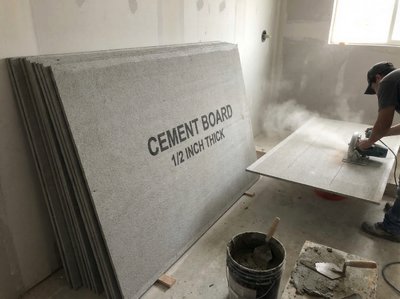
No, radiant floor heating cannot be installed under existing floors without removing them first. The heating cables or mats must be embedded in thinset or self-leveling compound directly above the subfloor and below the finished flooring material.
However, installation during a remodel or new construction is straightforward. WarmlyYours systems are just 1/8" thick and compatible with tile, stone, laminate, engineered hardwood, nailed hardwood, luxury vinyl plank (LVP), concrete and carpet. Our 24/7 support team and free custom floor plans make installation planning easy for both DIYers and professionals.
It depends on your flooring type and heating system. For electric radiant floor heating, underlayment is often beneficial but not always required.When underlayment is recommended:
- Floating floors (laminate, engineered hardwood, LVP): Use ThermalSheet, WarmlyYours' insulating underlayment, to direct heat upward and improve efficiency.
- Cold subfloors (concrete, basements): Insulating underlayment prevents heat loss downward.
When underlayment is not needed:
- Tile and stone installations: Heating cables/mats are embedded directly in thinset or self-leveling compound—no underlayment required.
- Glue-down LVP over concrete: System can be installed in self-leveling compound without additional underlayment.
Important note: WarmlyYours currently offers ThermalSheet as our recommended underlayment solution. While CeraZorb and cork underlayment were previously available and may still be found in older installations, ThermalSheet is now our preferred product for optimal performance and compatibility.Our free SmartPlan service includes underlayment recommendations tailored to your specific flooring and subfloor. With over 600,000 custom floor plans created, we ensure you get the right system configuration.
Yes, radiant floor heating increases home value and marketability. In real estate listings, floor heating is consistently highlighted as a premium feature that makes homes stand out from comparable properties. You'll frequently find radiant heating mentioned in luxury home listings and featured in home tours, as it's viewed as an aspirational upgrade that's within reach for everyday homeowners.
Studies show homes with radiant floor heating can see a return of 50-80% of installation cost at resale. More importantly, it helps homes sell faster by appealing to buyers seeking modern comfort features. With over 300,000 WarmlyYours systems installed and operating costs as low as $0.01-$0.15 per hour, it's an investment that delivers both daily comfort and long-term value.
An underfloor heating system works by running electric heating cables or mats beneath your floor surface, connected to a thermostat. When activated, the cables heat up and transfer warmth upward through the floor into the room — a process called radiant heat transfer. Unlike forced-air systems that heat the air at ceiling level, underfloor heating warms objects and people directly, creating even, comfortable warmth from the floor up. Most electric underfloor heating systems reach target temperature in 30–60 minutes.
WarmlyYours radiant floor heating systems last 25-40+ years with proper installation and minimal maintenance. Our heating cables and mats are designed for durability and backed by industry-leading warranties. With no moving parts and corrosion-resistant materials, these systems outlast traditional HVAC equipment, which typically lasts 15-20 years. Over 300,000 installations since 1999 demonstrate long-term reliability.
Radiant floor heating typically takes 30-60 minutes to warm up, depending on floor type, insulation, and room size. Tile and stone floors heat faster (30-45 minutes), while thicker materials like hardwood may take 45-60 minutes.
For optimal efficiency, use a programmable thermostat to schedule heating before you wake up or arrive home. Once warm, the system maintains temperature efficiently. WarmlyYours thermostats include smart scheduling features and floor temperature sensors for precise control. WarmlyYours provides a backup sensor in every order.
For a typical 50-square-foot bathroom, a complete electric underfloor heating system usually costs between $500 and $1,000 for materials, including the heating element, thermostat, and (if needed) membrane/insulating underlayment. Operating costs are remarkably low, often averaging just $0.10 to $0.25 per day depending on your local electricity rates and usage habits. You can use our interactive calculator to get a precise estimate for your specific project.
Operating Cost Calculator for Floor Heating
Estimate your daily and monthly energy costs based on room size and local rates.
sq. ft.
¢/kWh

"Most homeowners are surprised how affordable radiant floor heating is to operate—often just pennies a day for a bathroom. It's the kind of everyday luxury that pays for itself in comfort!"
— Rae RadiantRadiant floor heating costs $10–$20 per square foot installed, depending on system type, room size, and labor rates.
Product cost breakdown:
- TempZone Floor Heating Mats: $12–$15/sq.ft. (material only)
- TempZone Floor Heating Cable: $10–$13/sq.ft. (material only)
- Thermostats: $160 to $340
- Installation labor: $3–$8/sq.ft. (varies by region and complexity)
Operating costs: $0.01–$0.15 per hour (far less than forced-air heating for the same space).
WarmlyYours offers free custom floor plans and instant quotes through our online Quote Builder. With 26 years of experience and over 600,000 floor plans created, we help you get accurate pricing for your specific project.
Yes, radiant floor heating is worth it for most homeowners. It provides consistent, comfortable warmth, eliminates cold spots, operates quietly, and costs as little as $0.01–$0.15 per hour to run. With over 300,000 systems installed since 1999, homeowners report high satisfaction due to energy efficiency and increased home value (50-80% ROI at resale).
Yes, radiant floor heating is worth it for most homeowners. It provides consistent, comfortable warmth, eliminates cold spots, operates quietly, and costs as little as $0.01–$0.15 per hour to run. With over 300,000 WarmlyYours systems installed across North America since 1999, homeowners report high satisfaction due to energy efficiency, increased home value (50-80% ROI at resale), and improved comfort. It's particularly valuable in bathrooms, kitchens, and basements where cold floors are common.
For a detailed breakdown, see our complete guide: 9 Pros and Cons of Heated Floors.
Both TempZone Floor Heating Mats and Cables deliver excellent results—the choice depends on your project size, layout, experience level, and climate needs.TempZone Floor Heating Mats are pre-spaced at a fixed 3" spacing (15 watts/sq.ft.) and come in standard sizes (6–210 sq.ft.). They're ideal for:
- DIY homeowners and first-time PRO installers
- Straightforward rectangular rooms
- Faster installation (no spacing calculations)
- Smaller to medium projects
- Consistent heat output across all climates
TempZone Floor Heating Cable offers complete flexibility and is preferred by experienced installers:
- Adjustable spacing based on local climate conditions — you control the watt density
- Colder climates (like New York): 3" spacing (15 watts/sq.ft.) for maximum heat output
- Standard climates: 4" spacing (11 watts/sq.ft.) — our default recommendation
- Warmer climates (like California): 5" spacing (9 watts/sq.ft.) for efficient, moderate heating
- Works in any room shape or size
- Ideal for complex layouts, odd-shaped rooms, or climate-optimized designs
The bottom line: Choose mats for simplicity, DIY projects, and standard applications. Choose cable for customization, climate optimization, complex layouts, and experienced installers. Both systems are compatible with thinset and self-leveling compound, backed by our industry-leading warranties, and supported by 24/7 expert guidance.
Pro Tip: Combining Both Systems
Many projects use a combination of both—mats for large open areas and cables for detailed work around fixtures and in tight spaces. Your free SmartPlan™ will recommend the best approach based on your room layout.
A complete electric floor heating system consists of two essential components: the heating element (either a pre-spaced mat or loose cable) and a specialized thermostat. But most systems will also incorporate a floor sensor to monitor temperature. Cable-based systems may also use an uncoupling membrane for tile protection. If you're installing over a cement slab or a poorly insulated space, you may also want to include thermal insulation to prevent heat loss. Together, these parts ensure safe, efficient, and consistent warmth throughout your room.
The best rooms for radiant floor heating are:
- Bathrooms (most popular—eliminates cold tile)
- Kitchens (comfort during meal prep)
- Basements (solves cold concrete floors)
- Entryways/Mudrooms (melts dragged in snow, dries boots)
- Sunrooms/Three-Season Rooms (extends usability)
- Master Bedrooms (luxury comfort)
Radiant heating works in any room, but it's most valued where you walk barefoot or spend time standing. With over 300,000 installations, WarmlyYours has heated every room type—from small bathrooms (14 sq.ft.) to large open-concept spaces (200+ sq.ft.). Our free SmartPlan service designs custom layouts for any room configuration.
There are two main categories of heated floor systems: electric and hydronic. Electric floor heating systems use resistance cables or mats powered by your home's electrical panel — they're easier to install, require no boiler, and are ideal for single-room or multi-room retrofits. Hydronic systems circulate hot water through tubing and require a boiler, which means they're generally better suited to whole-home new construction. WarmlyYours specializes in electric floor heating systems, which cost significantly less to install and require zero maintenance.
Most competitors provide only 12 watts per square foot, which is often insufficient for primary heating in cold climates. WarmlyYours TempZone™ systems deliver 15 watts per square foot—a 25% increase in power. This higher output allows for faster heat-up times and provides enough thermal energy to overcome room heat loss, making it a more reliable primary heat source.