
Snow Melt PowerMat 240V, 3 x 15 ft., 45 sq.ft., 9.38A




Features
-
Maximum Heat Output: Approximately 50-watts per sq. ft with 3″ cable spacing for fastest snow melting
-
Best for Heavy Snowfall: Recommended for regions with 60+ inches of annual snowfall or when rapid melting is critical
-
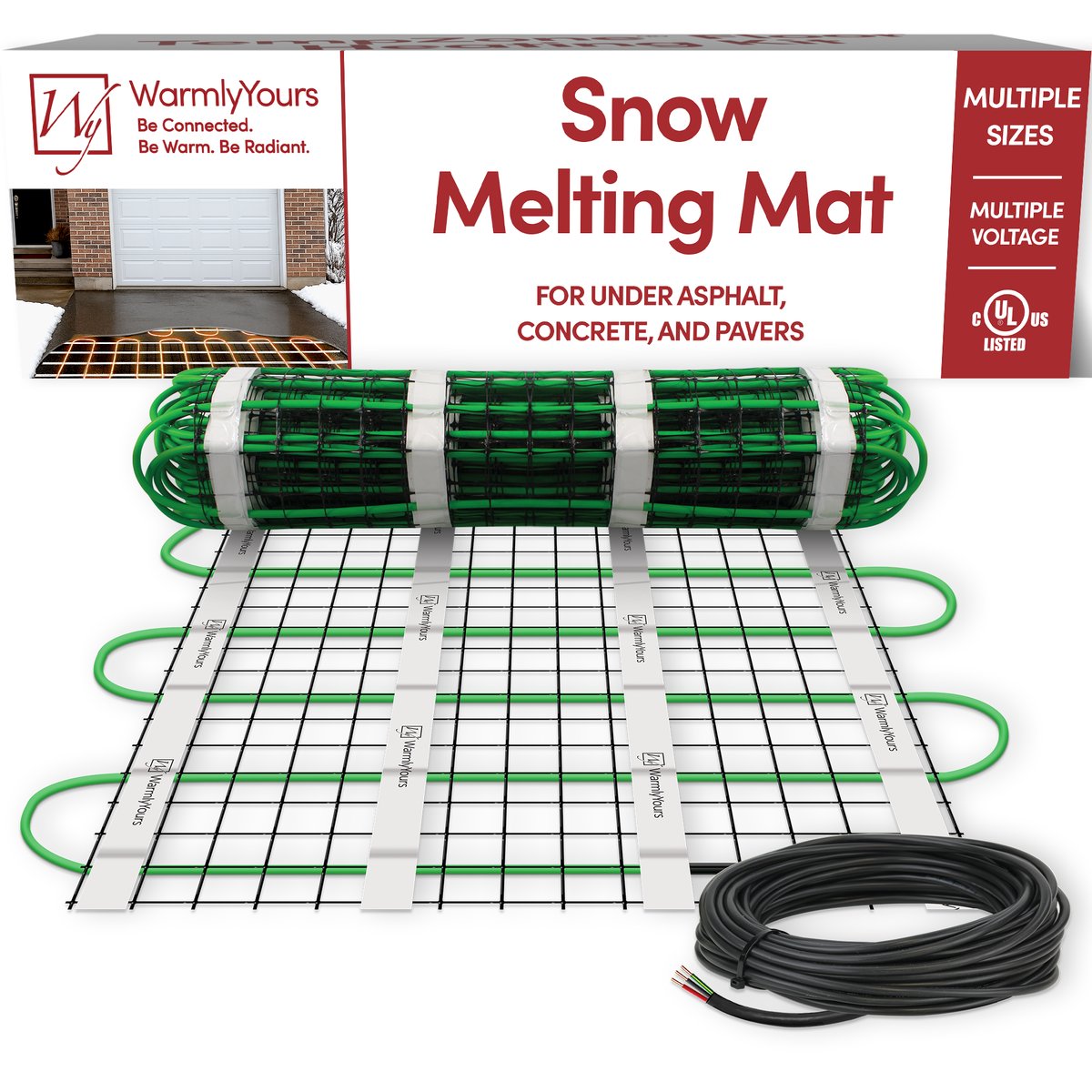
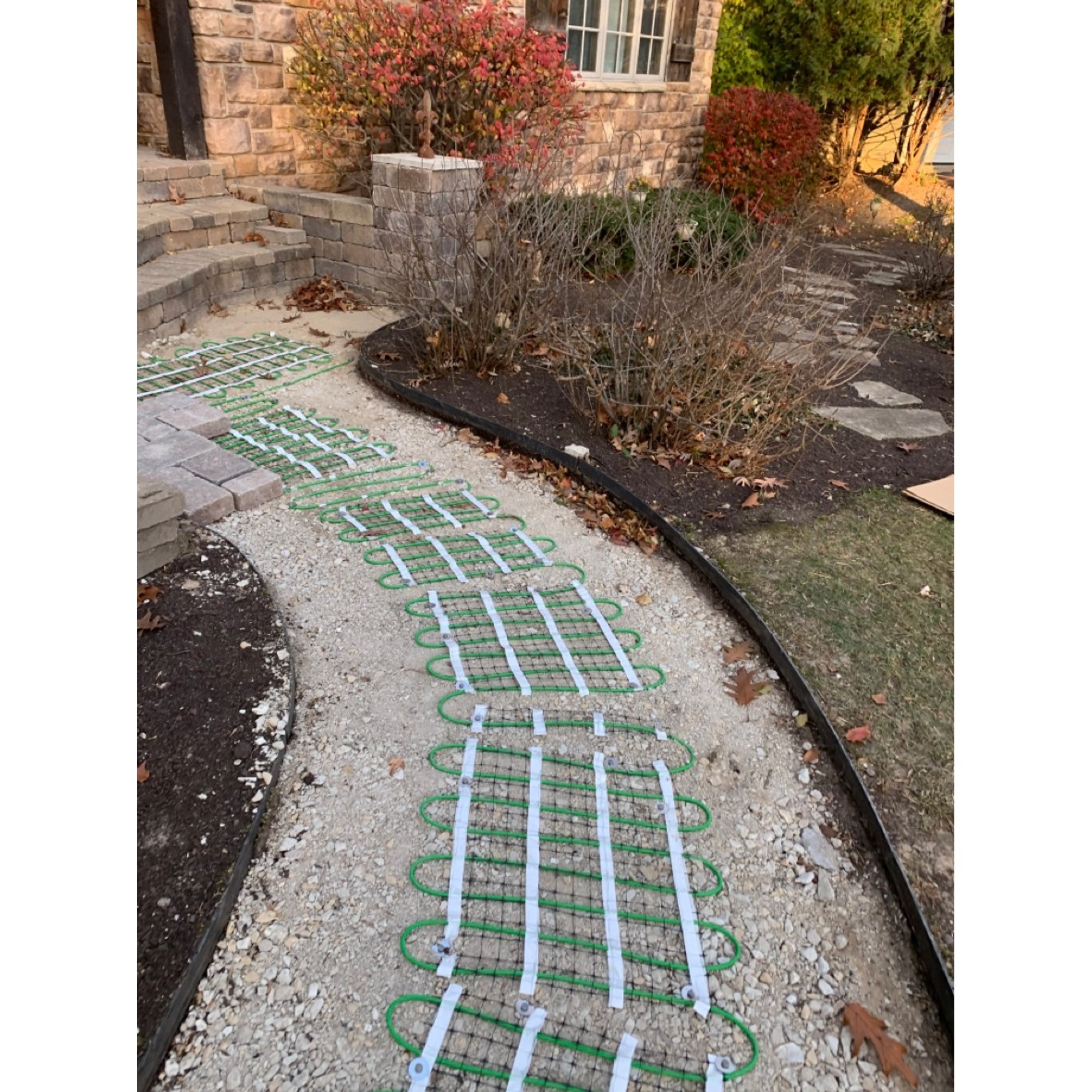
Even Heating: Pre-attached heating elements in a serpentine pattern with consistent 3″ spacing ensures uniform coverage
-
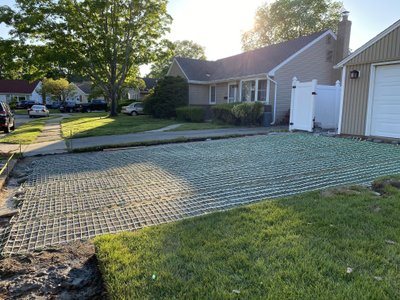
Fast and Easy Installation: Cut-and-turn design makes installation faster than cables while providing maximum heat density
-
Installation Support: Free SmartPlan™ installation plans, 24/7 phone support, and a 10-year limited warranty
Snow Melt PowerMat Description
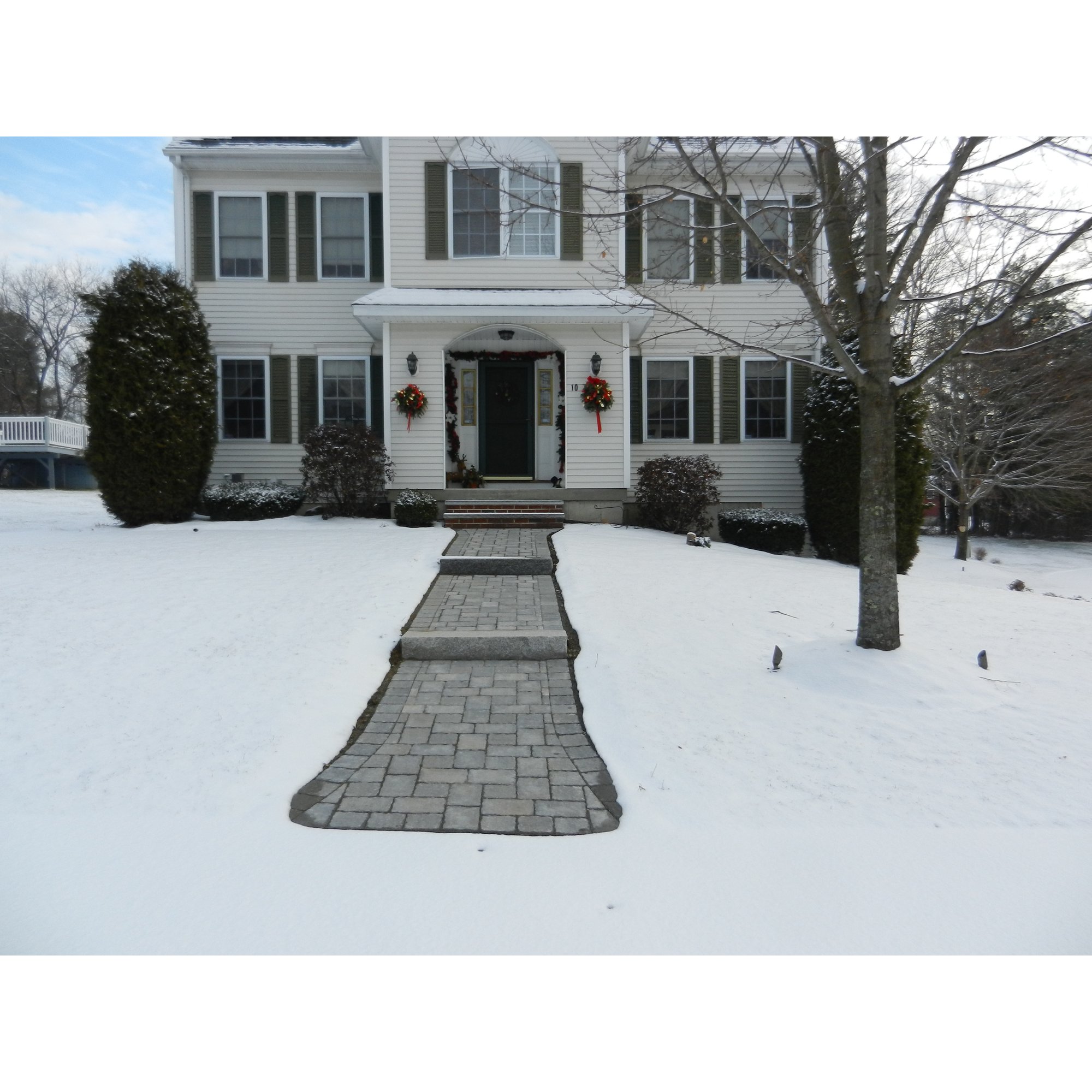
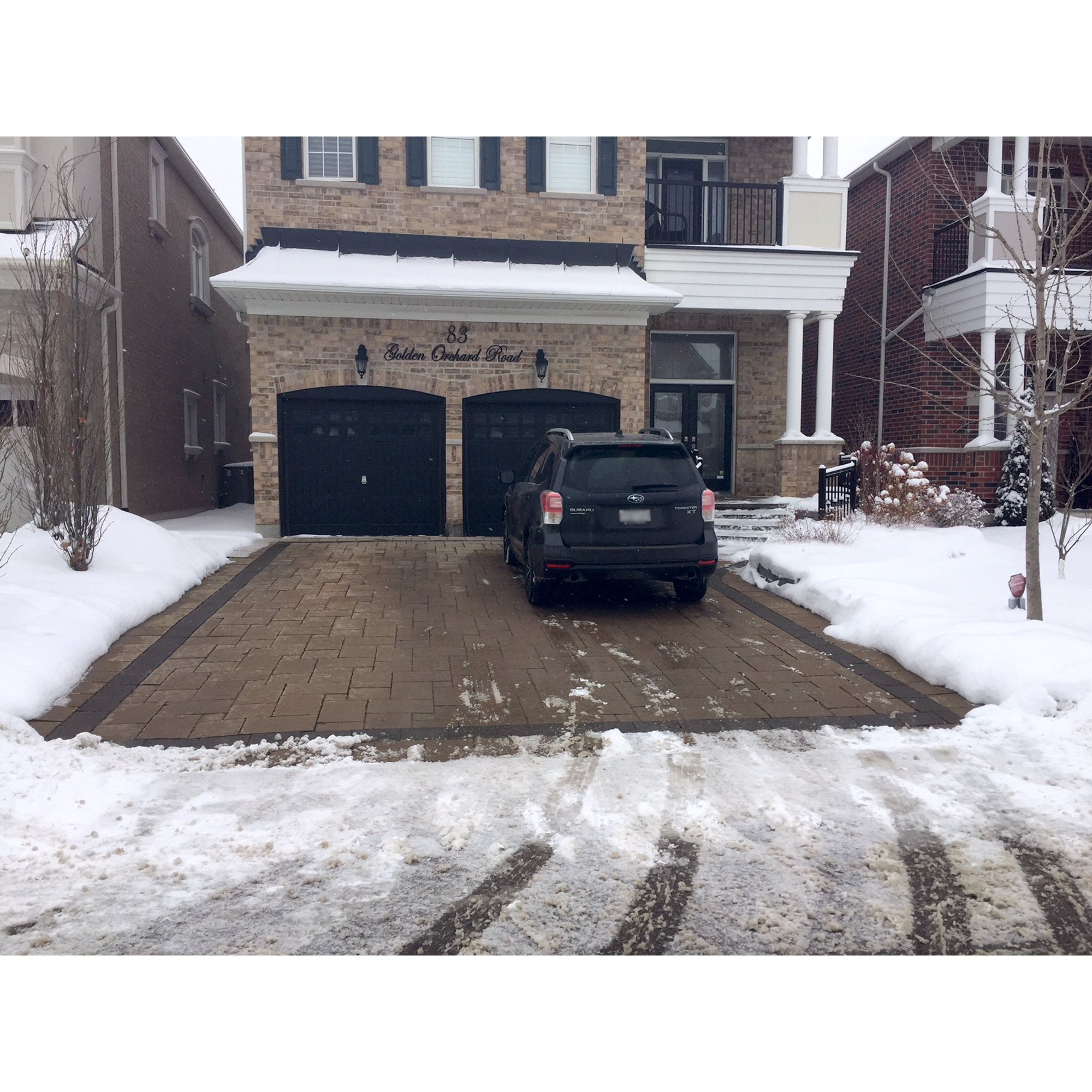
WarmlyYours snows melting mats safely and efficiently melt snow and ice from walkways, patios, and driveways. These 3 x 15 ft. 240 V snow melting mats provide 45 ft² of coverage. They feature a sturdy, corrosion-resistant, twin-conductor heating element affixed in a serpentine pattern to a polypropylene mesh backing, allowing for easy installation and even distribution of heat in asphalt, concrete or (mortar underneath) paver surfaces. Equipped with a 20-foot (6m) cold lead, WarmlyYours snow melting mats generate 50 watts per square foot for dependable and efficient snow melting performance and are CSA certified for outdoor use in Canadian and U.S. markets.
Learn more about snow melting systems. Perfect for heated driveways, patios, walkways and paths, accessibility ramps, or even stairs.
Specifications
Electrical
| Amps | 9.38 A |
| Ohms | 25.6 Ω |
| Voltage | 240 V |
| Watts | 2250 W |
| Watts Per Sq. Ft. | 50 |
| Watts Per Sq. Ft. at 3 Inch Spacing | Up to 50 |
Warranty / Certifications
| Approvals | cCSAus Listed |
| Warranty | 10 years |
Performance
| BTU Per Hour | 7677 Btu |
| Heated Coverage | 48.75 ft² |
Product Dimensions
| Cold Lead Length | 20′ |
| Coverage | 45 ft² |
| Depth | 15′ |
| Heating Element Spacing | 3″ |
| Heating Element Thickness | 5/16″ |
| Height | 5/16″ |
| Length | 15′ |
| Size | 3′ x 15′ |
| Size and Power | 3x15 ft - 50 W/sq.ft. |
| Weight | 10.8 lbs |
| Width | 3′ |
Appearance
| Color | Green |
Identifiers
| Product Line Name | PowerMat |
| SKU | WHMA-240-0315 |
| UPC (GTIN-12) | 881308011239 |
Installation
| Surface Types | Asphalt, concrete or in mortar under pavers |
Logistics
| UNSPSC Code | 40101842 |
Installation Plans
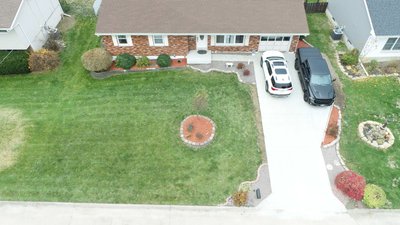
This is a real example of an installation plan that uses this product. If you want to design your own room or have any questions, please contact us.
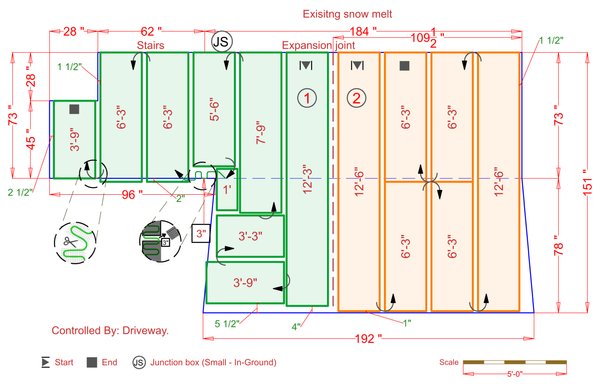
Concrete (new) Subfloor
N/A Voltage
240V Operating Cost
341 cents per hour
This Installation Plan Includes:


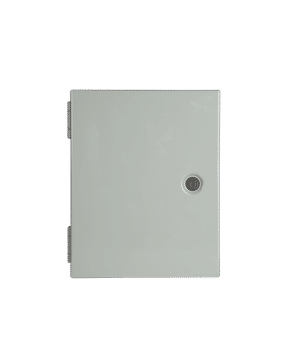
Controls
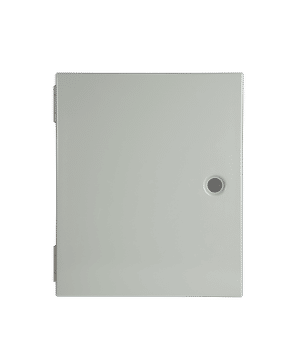
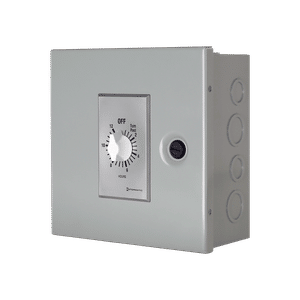
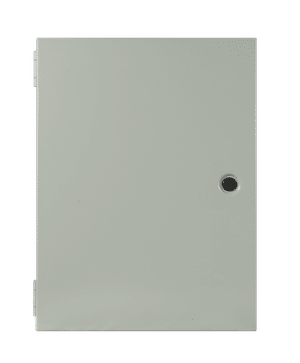
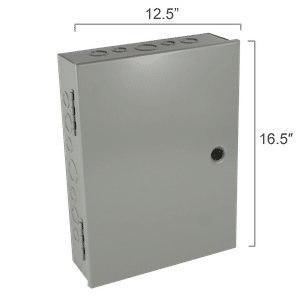
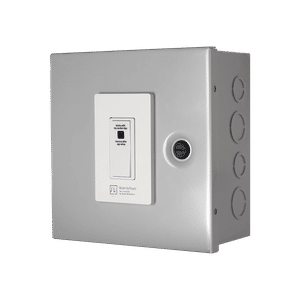
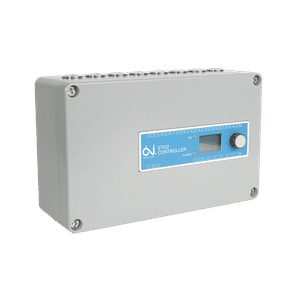
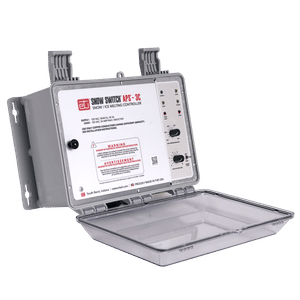
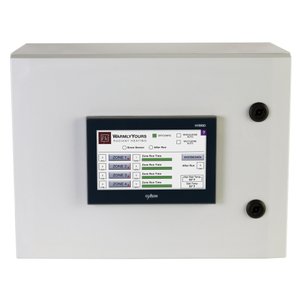
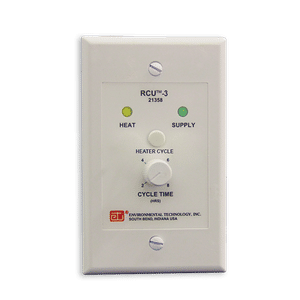
A great control is the secret to any great heating system.


Accessories and Parts
Feel free to chat us if you have any questions about these items.


Documents
Installation
- Snow Melting Installation Manual (English)
- Manual de Instalación para Sistemas de Derretimiento de Nieve (Spanish)
- Retrofit Snow Melting System Application Guide (English)
- Snow Melting & Slab Heating Application Cross Sections (Spanish)
- Snow Melting Application Cross Sections (English)
- Snow Melting Installation Manual (French)
Project Planners
- Asphalt Snow Melt Planning Worksheet (English)
- Snow Melting Project Planning Guide Form (English)
- Snow Melting Request Quotation Form (English)
- WarmlyYours Snow Melting Field Pocket Guide - Quick Field Troubleshooting Checklist (English)
Warranties
Sell Sheets
Catalogs
Frequently Asked Questions
Showing all 5 questions
Power requirements are measured in Amps and based on three factors: the watts per sq. ft. of the snow melting cable or mat, the area powered and the voltage used for the application. Our PowerMat product is rated at approximately 50 watts per sq. ft. (with 3" cable spacing), so that is a constant factor. Most snowmelt projects are powered with 240V AC – not all, but most. The one factor that is always variable is the area to be heated/powered. That is based on your project. For a point of reference, let's use the example of a 350 sq. ft. concrete patio.
The formula is (50 W/sq. ft. x area of 350 sq. ft.) / V (240V) = Amps, so 17,500 / 240V = 72.9 Amps
The material costs are similar. However, electric systems are easier to install, with fewer components and significantly lower maintenance costs. Electric systems will run for a shorter period of time to give the same level of performance but with much higher energy efficiency (typically 95%-98% efficient). Controls and sensors required for the two types of systems are very similar. Electric systems do not usually require slab insulation and do not create the concerns typically associated with hydronic systems. These concerns include, but are not limited to, return temperatures, flue gas venting, waterway shrinkage and property damage caused by leaking pipes or tubes.
When installing outdoor WarmlyYours snow melting cables for your driveway, patio, walkway, terrace, stairs, ramp, etc. - NEVER cross, overlap, or allow the heating cables to touch each other. Doing so will quickly cause a circuit failure due to excessive heat build up. Always follow the installation instructions and/or design layout plan to ensure the cable is installed with the correct spacing required for proper operation.


